
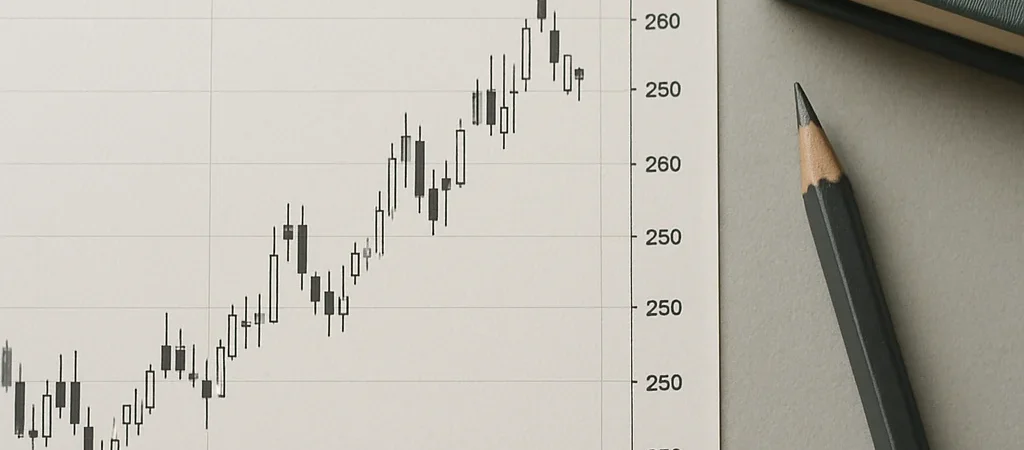
A trading signal can look decisive on a screen: a market, a direction, and a few price levels. Before treating it as an instruction, pause to ask what each detail represents and what reasoning supports the idea. A signal is information to assess, not a result to count on.
Read the parts separately
Start with the market and timeframe. A price movement that matters to a short-term trade may mean little on a longer chart, so the timeframe helps define the context. Then check whether the signal includes an entry area, an invalidation level, or a target—and do not assume those terms are used consistently across providers.
Look for an explanation alongside the levels. It might refer to a trend, a range, or a reaction near a prior price area. If the reasoning is missing, you have less to evaluate; a direction by itself does not explain why the idea might make sense.
Check what could change
Market conditions can shift after a signal is shared. A scheduled announcement, a sharp price move, or a change in trading volume may alter the context, while delays and execution differences can also affect the prices a trader actually sees. Check the timestamp and compare the idea with current market information before drawing conclusions.
Finally, identify what would make the original reasoning no longer apply. That is different from hoping a trade will recover if it moves the other way. Use free signals as a starting point for learning how market ideas are framed, consider the risks, and make your own assessment.